Branding.
your brand is not a logo. it's every flyer, ad, and email that leaves your business looking like it came from the same place. we build brands that produce themselves.
most branding stops at a logo and a color palette. after that, every flyer, quote, and post is a fresh chore, and things slowly drift off brand. we build the next layer: templates and materials that fill themselves in, so looking sharp stops taking effort.
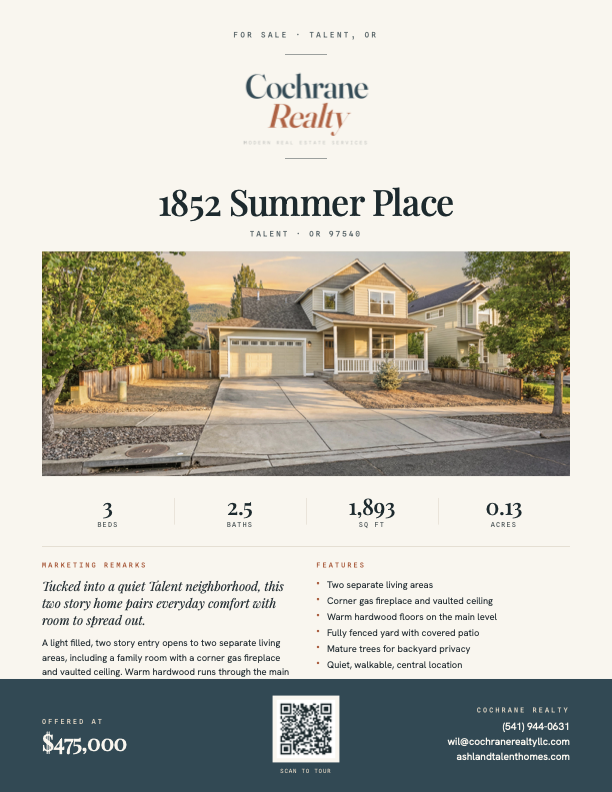
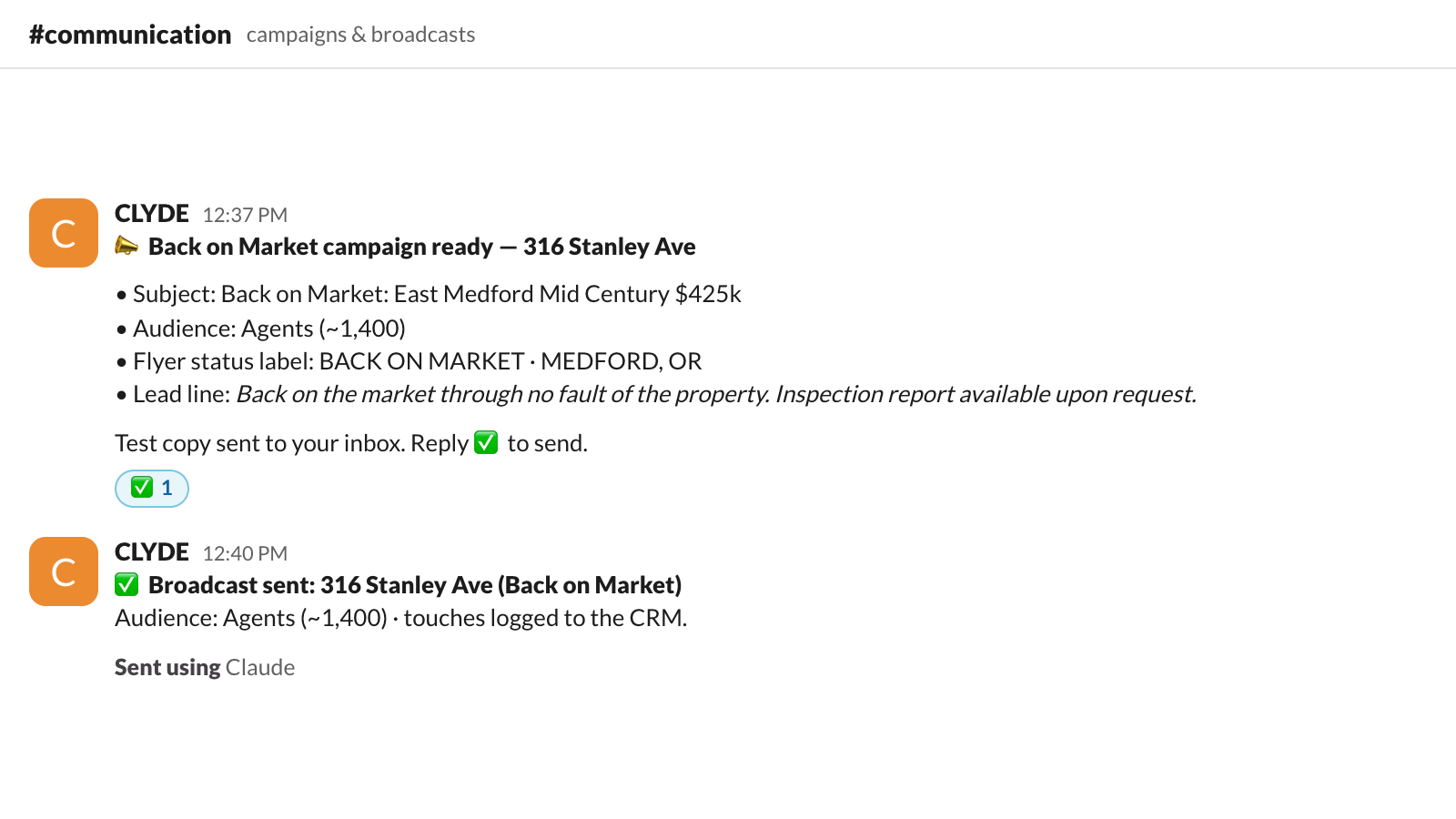
everything on this page is real material from wil's own brokerage. the flyer renders itself from listing data. the campaign went to about 1,400 agents, on brand, approved with a single emoji. unlock.ai's own identity was built the same way.
you've probably lived one of these
The food trailer is picked out, but the wrap, the shirts, and the website all need the logo first, and the brand package got quoted at more than the wrap itself. So the whole launch just sits. We build one kit sized for real life: a small mark for shirts and packaging, a big one for the trailer, and files the wrap shop can actually open.
The grooming shop's Tuesday flyer doesn't quite match the website from March, because every tool nudges the colors and fonts its own way. The fix is smaller than you'd think: your exact colors and one font locked into every app you touch, so the next thing you make matches without you thinking about it.
The sign shop wants a few thousand to wrap the truck, and nobody can tell you whether that buys jobs or just complaints about your driving. Usually the honest answer is door decals at a fraction of the cost: enough to look like a real company in the customer's driveway, with the wrap saved for the day you run a fleet.
You got the contractor's license on a Tuesday and posted the logo that night, and strangers saw something in the name that nobody at your dinner table ever did. Outside eyes before anything prints are cheap. Repainting a lettered truck is not.
The customer opens your invoice, sees you're two jobs old with a Gmail address and no website, and quietly hires someone else. A one-page site, an email at your own domain, and paperwork that doesn't announce you're new: trust has to arrive before the work does.
Two years in, you finally admit the cheap logo is bad, except now it's on the sign, the cards, the van, and the website, and fixing it means reprinting everything at once. The logo was fifty bucks. The multiplying is what made it expensive, and getting the identity right first is the whole point.
Let's find your first automation.
Tell us where your time goes, and we'll show you what we'd unlock first.